
The Essential Triumvirate Of How To Tap Quantum Advantage
Quantum advantage comes from deliberately reshaping probabilities via interference over entangled structures, not from trying many answers at once.
•5 min read
Achieving quantum advantage is the one challenge for everyone in quantum computing
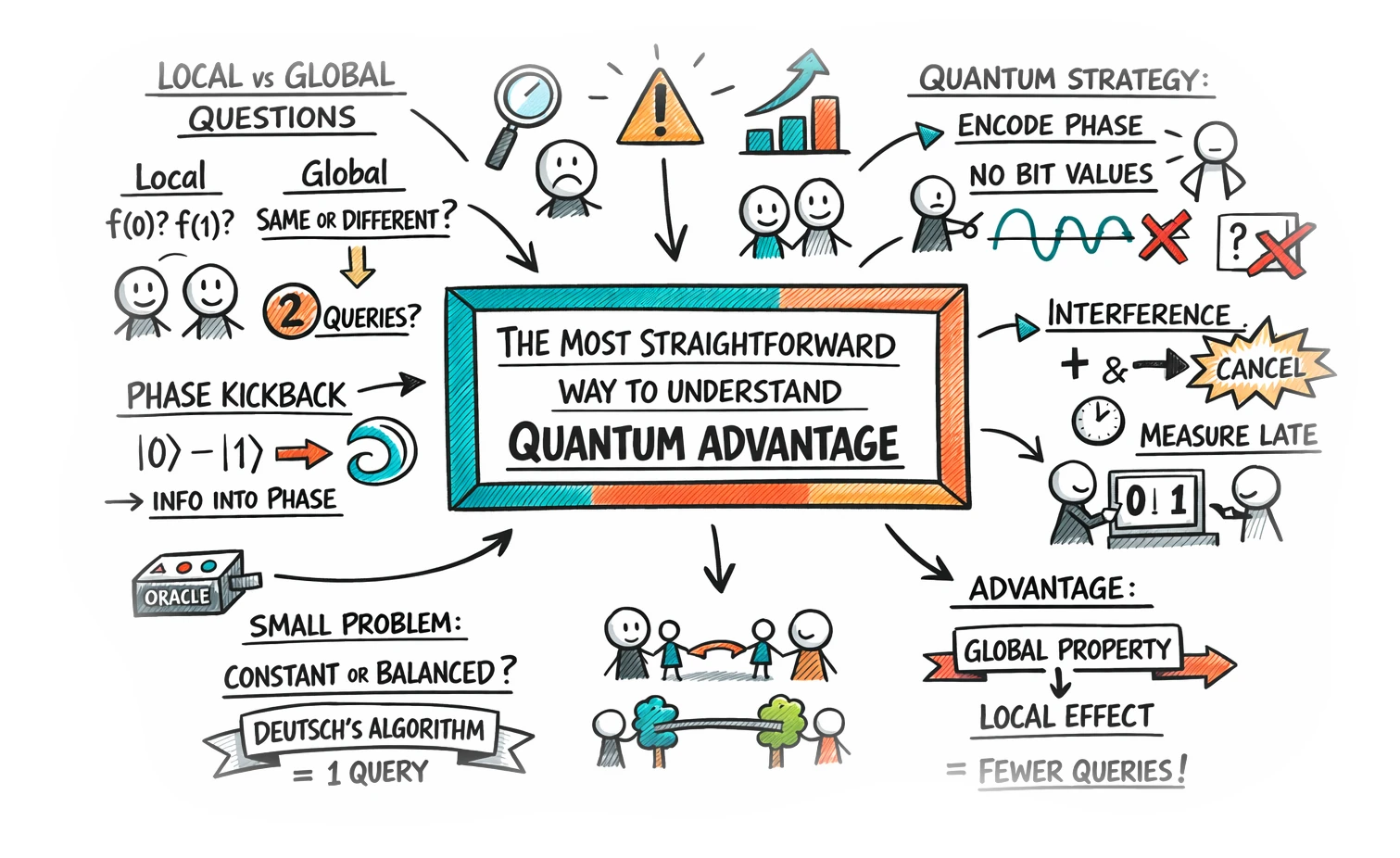
Key point: Limits come from what information you can access, not how fast you compute.
Learn why quantum advantage is not about being faster or more powerful, but about the limitations inherent in the problem itself. Some global properties cannot be derived from partial, local information. And no classical strategy can circumvent this. When the system is unknown, the main limitation is how you are allowed to interact with it. At this point, it is the structure of the question, not pure computing power, that determines the limit of what can be known.
Quantum advantage comes from deliberately reshaping probabilities via interference over entangled structures, not from trying many answers at once.
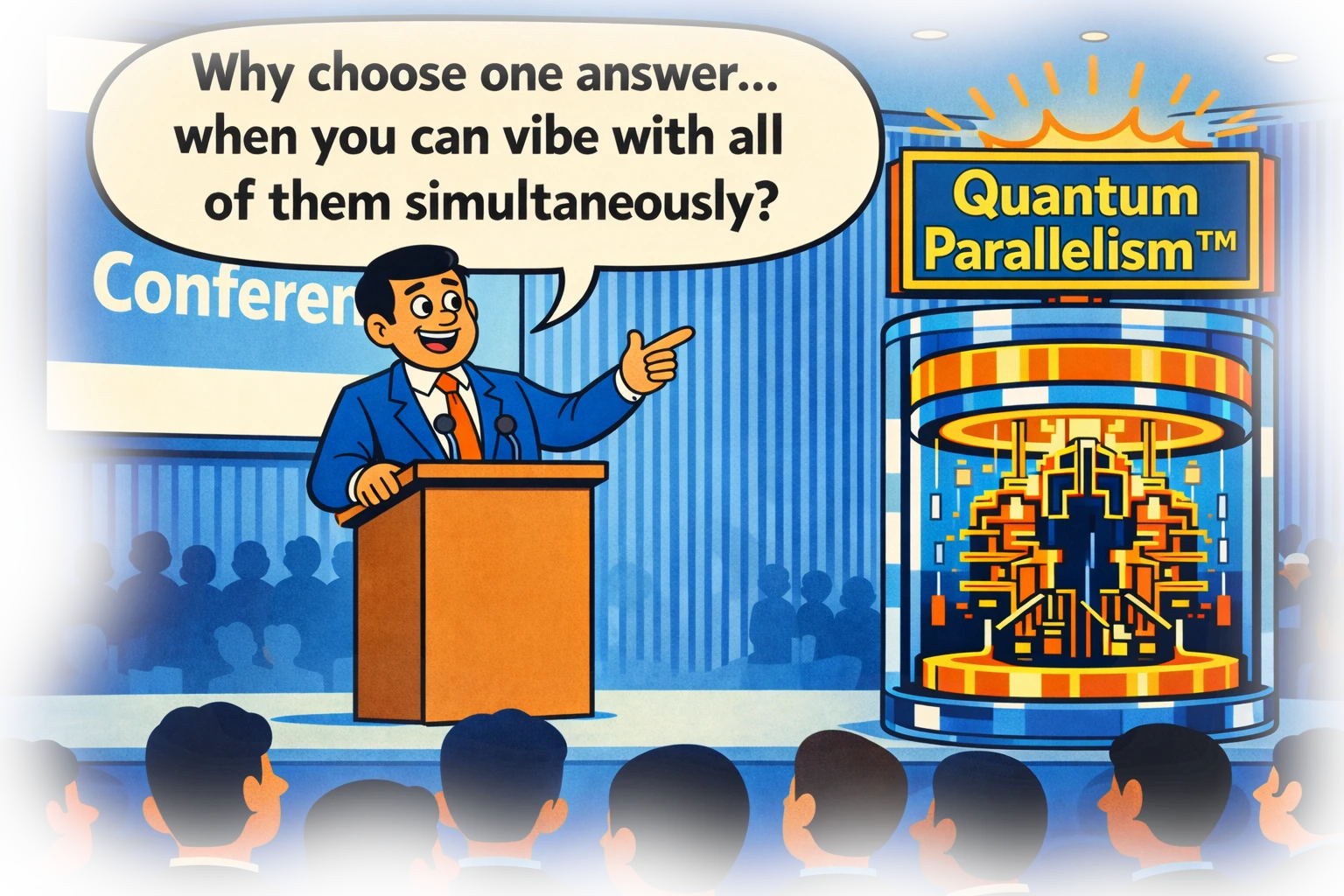
Quantum computers do not win by racing through possibilities faster than classical machines. They win by changing what a single question can reveal before any answer is read. So. let's drop the parallelism myth and replace it with a sharper idea that will make real quantum algorithms finally start to make sense.
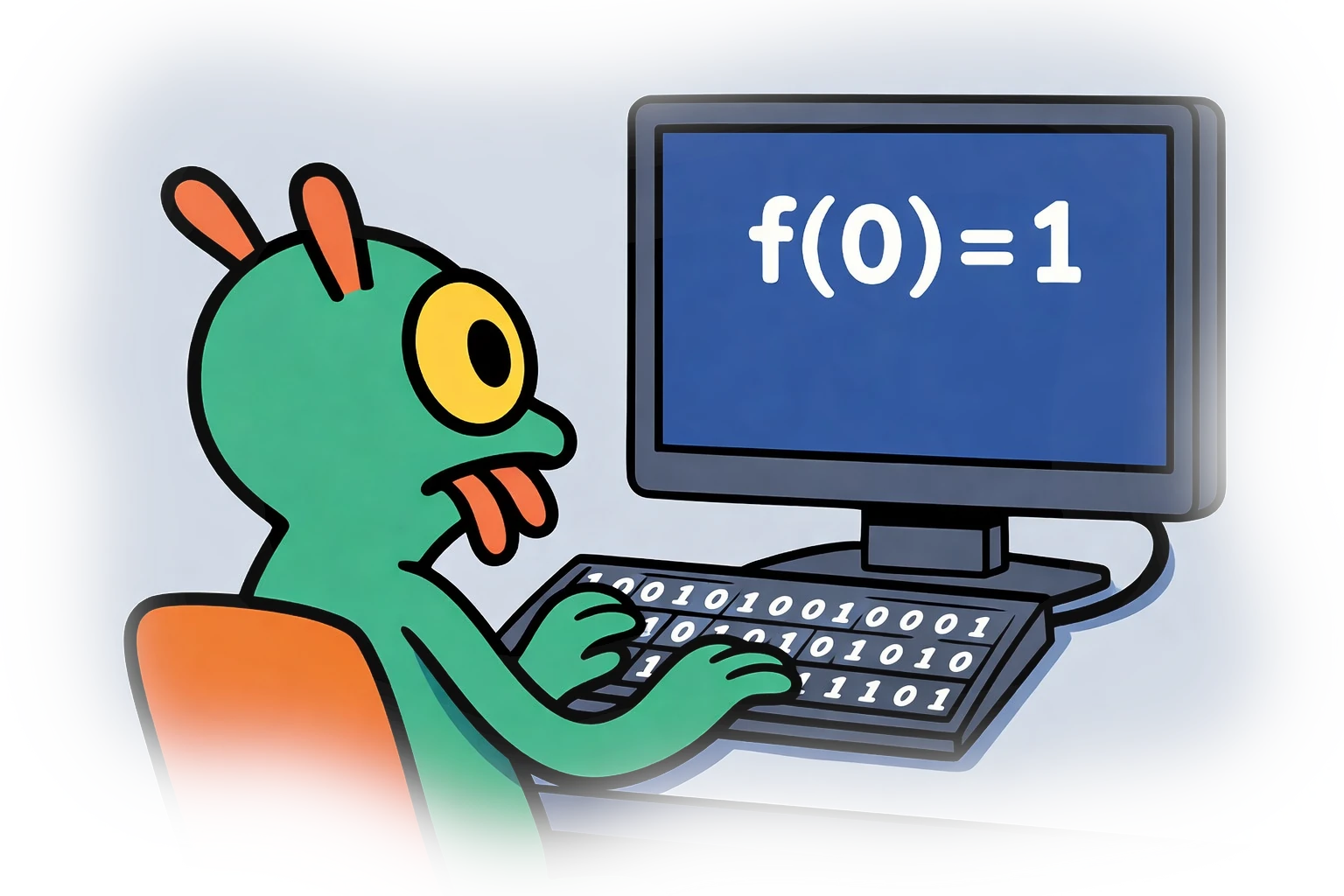
Knowing isolated facts doesn't tell you how they fit together. Learn why many problems depend on relationships and why these are harder to uncover than individual values.

Quantum computers win by asking better-defined questions. But until you specify exactly what information an algorithm is allowed to access, any claim of quantum advantage is just hand-waving.
Key point: Quantum algorithms work by reshaping structure, not by reading out values.
Learn the key representational shift behind quantum algorithms. Quantum states do not store values directly; they encode relationships using signed amplitudes and phase. The oracle never returns a readable answer. It changes the structure of the state, and only interference can expose what changed.
